4.9(50 reviews)
 4.9(57 reviews)
Introduction to Langtang and Gosaikunda
The Langtang region is located north of Kathmandu in the Rasuwa District and is one of Nepal’s most scenic trekking areas. Known as the “Valley of Glaciers,” Langtang is home to spectacular mountains like Langtang Lirung (7,227m), stunning alpine valleys, and diverse flora and fauna. Its cultural landscape is equally remarkable, with Tamang communities that have preserved their traditions and Buddhist practices for centuries.
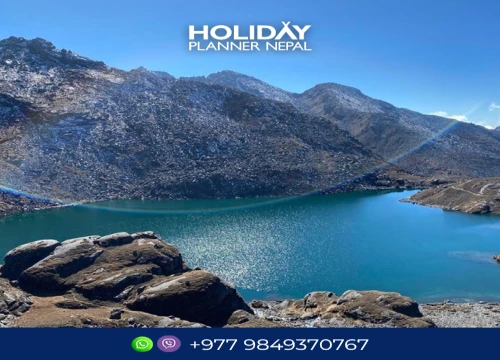
Gosaikunda, a sacred alpine lake situated at 4,380 meters above sea level, is not only a natural marvel but also holds deep spiritual significance. Hindu mythology connects Gosaikunda with Lord Shiva, and Buddhists also consider it sacred. During the Janai Purnima festival, thousands of pilgrims visit Gosaikunda, offering a unique blend of spirituality and adventure.
Together, Langtang and Gosaikunda provide trekkers with a combination of breathtaking landscapes, cultural richness, and challenging trekking experiences.
Langtang Gosaikunda Trek Highlights
Langtang Valley: Known as the “Valley of Glaciers,” home to Langtang Lirung (7,227m) and traditional Tamang villages.
Gosaikunda Lake: Sacred alpine lake at 4,380 meters, visited by thousands of pilgrims during Janai Purnima.
Lauribina La Pass (4,610m): Challenging high-altitude pass offering panoramic Himalayan views.
Tamang Villages: Rich in culture, traditional architecture, monasteries, and local cuisine.
Alpine and Subtropical Forests: Rhododendron, pine, bamboo, and oak forests teeming with wildlife.
Wildlife Sightings: Himalayan monal, red panda, barking deer, and various migratory birds.
Kyanjin Gompa: Cultural and spiritual hub of Langtang Valley with Tibetan Buddhist monastery and yak cheese production.
Panoramic Mountain Views: Langtang, Ganesh Himal, Dorje Lakpa, and Gaurishankar ranges.
Why Choose the Gosaikunda and Langtang Trek?
1. Natural Beauty
The trek takes you through lush subtropical forests, rhododendron and bamboo groves, high-altitude alpine meadows, and snow-capped peaks. From waterfalls to glacial moraines, every step offers a visual treat. The scenery transitions gradually from dense forests in the lower valleys to alpine landscapes near Gosaikunda, giving trekkers a varied trekking experience.
2. Cultural Experience
Tamang villages scattered throughout Langtang Valley offer a glimpse into traditional Himalayan life. You can witness centuries-old monasteries, prayer flags fluttering in the wind, and local festivals. Trekkers have the chance to interact with locals, understand their customs, and even taste traditional foods like Thukpa (noodle soup) and Gundruk (fermented leafy greens).
3. Spiritual Significance
Gosaikunda is considered a sacred site for both Hindus and Buddhists. Pilgrims believe that taking a dip in its icy waters cleanses sins and brings blessings. Trekkers visiting during the Janai Purnima festival experience the vibrant spiritual atmosphere of devotees making their pilgrimage.
4. Adventure and Fitness
The trek challenges your stamina with altitudes reaching over 4,300 meters. Crossing passes like Lauribina La (4,610m) requires good physical fitness but rewards trekkers with panoramic views of Langtang, Ganesh Himal, and other Himalayan peaks.
Major Attractions of Langtang Gosaikunda Trekking
- Langtang Village: Scenic village with traditional stone and wood houses; cultural immersion into Tamang lifestyle; enjoy local homestays and authentic cuisine.
- Kyanjin Gompa: Monastery with spiritual and historical significance; excellent viewpoint for Tsergo Ri and Langtang Himal; experience local cheese-making traditions.
- Tsergo Ri: Popular trekking peak near Kyanjin Gompa; panoramic views of Langtang range, Gosaikunda, and surrounding valleys; perfect for sunrise and photography enthusiasts.
- Gosaikunda Lake: Crystal-clear alpine lake, sacred to Hindus and Buddhists; surrounded by smaller lakes like Bhairab Kund; ideal for witnessing serene reflections of the mountains.
- Lauribina La Pass: High-altitude crossing at 4,610 meters; offers breathtaking Himalayan panoramas; a challenging yet rewarding trek point.
- Syabrubesi: Starting and ending point of the trek; scenic village with lush forests, rivers, and local markets; gateway to Langtang National Park.
- Chandanbari and Thulo Syabru: Picturesque villages showcasing rural Himalayan life; enjoy cultural interaction with local Tamang and Sherpa communities.
- Langtang National Park: Protected area with diverse flora, fauna, rhododendron forests, and high-altitude landscapes; home to red pandas, Himalayan black bears, and musk deer.
- Bhyundar Valley: Beautiful valley en route to Langtang; waterfalls, terraced fields, and alpine meadows; great for photography and short rest stops.
- Ganja La Viewpoint: Optional detour for trekkers; panoramic views of Langtang Lirung and surrounding peaks.
- Thulo Syabru Forests: Dense pine and rhododendron forests; seasonal wildflowers; excellent for birdwatching and nature walks.
- Panchet Khola: River valley along the trail; tranquil spot for resting, enjoying natural sounds, and scenic photography.
- Helambu Region Views: On certain trail sections, trekkers can enjoy glimpses of the nearby Helambu hills with their terraced villages and monasteries.
- Sacred Lakes around Gosaikunda: Besides the main lake, smaller lakes like Surya Kund and Bhairab Kund offer spiritual significance and striking alpine scenery.
How does Lantang Gosaikunda Trek start and End
The Langtang Gosaikunda trek begins in the charming village of Syabrubesi, located about 110 kilometers north of Kathmandu. Trekkers usually reach Syabrubesi via a scenic drive along the Trishuli River, where towering cliffs, lush terraced fields, and flowing rivers set the tone for the adventure ahead. Upon arrival, trekkers register their permits for Langtang National Park, meet local guides if needed, and spend the night in cozy guesthouses surrounded by dense forests and distant mountain views. The first days of trekking pass through peaceful villages like Thulo Syabru and Chandanbari, where travelers can experience the warm hospitality of the Tamang and Sherpa communities, explore traditional stone-and-wood houses, and enjoy homemade meals, immersing themselves in local culture.
As the trek ascends higher into the Langtang region, trekkers encounter the serene Langtang Village, nestled among alpine meadows and forested slopes, offering a glimpse of rural Himalayan life. From here, the trail leads to Kyanjin Gompa, a historic monastery perched amidst spectacular peaks. Adventurers often climb nearby Tsergo Ri, rewarding themselves with panoramic vistas of the Langtang Himal range, glaciers, and valleys stretching below. A highlight of the trek is the sacred Gosaikunda Lake, a crystal-clear alpine lake revered in Hinduism and Buddhism, surrounded by smaller lakes such as Bhairab Kund and Surya Kund, creating a tranquil and spiritual atmosphere. Those seeking a challenge may cross Lauribina La Pass, standing at 4,610 meters, where the Himalayan panorama is simply breathtaking.
After days of exploring high-altitude landscapes, lush forests, and diverse wildlife in Langtang National Park, trekkers gradually descend, retracing parts of the trail, enjoying the peaceful valleys, cascading waterfalls, and terraced farmland that make this region so picturesque. The trek concludes back in Syabrubesi, where travelers can relax, celebrate their achievement, and reflect on the incredible journey through mountains, lakes, and cultural villages. From Syabrubesi, it’s a scenic drive back to Kathmandu, marking the end of an unforgettable Himalayan adventure.
Distance & Altitude coverage of Langtang Gosaikunda Trekking
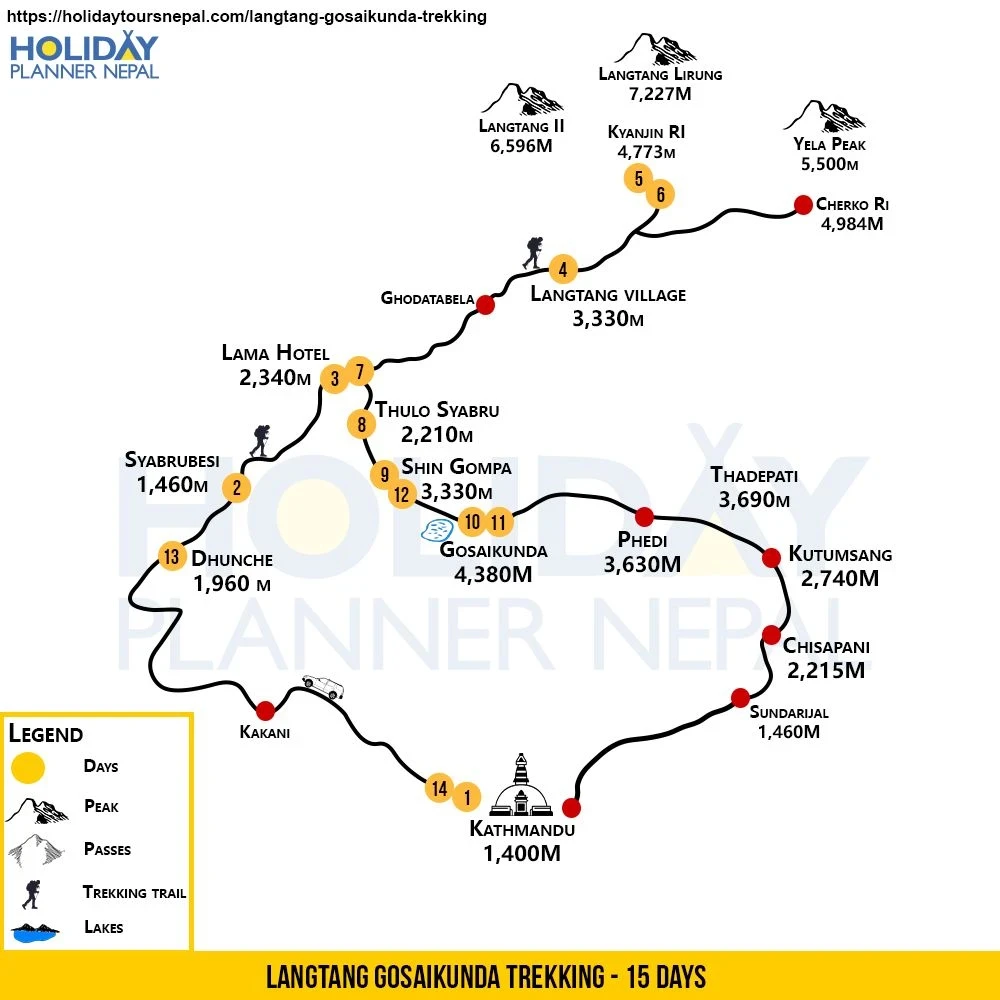
Day | Activity | Altitude (m/ft) | Distance (km/mi) | Duration | Elevation Gain/Loss (m/ft) |
Day 01 | Arrival in Kathmandu | 1350 m / 4429 ft | - | - | - |
Day 02 | Drive to Syabrubensi | 1460 m / 4790 ft | ~122 km / 76 mi | ~7 hrs drive | +110 m / +361 ft |
Day 03 | Trek to Lama Hotel | 2340 m / 7677 ft | ~11 km / 6.8 mi | 5-6 hrs | +880 m / +2887 ft |
Day 04 | Trek to Langtang Village | 3330 m / 10,925 ft | ~12 km / 7.5 mi | 5-6 hrs | +990 m / +3248 ft |
Day 05 | Trek to Kyangjing Gompa | 3730 m / 12,238 ft | ~7 km / 4.3 mi | 3-4 hrs | +400 m / +1312 ft |
Day 06 | Full day in Kyangjing Gompa | 3730 m / 12,238 ft | - | - | - |
Day 07 | Trek to Lama Hotel | 2340 m / 7677 ft | ~19 km / 11.8 mi | 4-5 hrs | -1390 m / -4561 ft |
Day 08 | Trek to Thulo Syabru | 2210 m / 7250 ft | ~7 km / 4.3 mi | 5-6 hrs | -130 m / -427 ft |
Day 09 | Trek to Sing Gompa | 3050 m / 10,007 ft | ~8 km / 5 mi | 4-5 hrs | +840 m / +2756 ft |
Day 10 | Trek to Gosaikunda | 4380 m / 14,370 ft | ~9 km / 5.6 mi | 4-5 hrs | +1330 m / +4364 ft |
Day 11 | Explore day in Gosaikunda | 4380 m / 14,370 ft | - | - | - |
Day 12 | Trek to Sing Gompa | 3254 m / 10,676 ft | ~9 km / 5.6 mi | 4-5 hrs | -1126 m / -3694 ft |
Day 13 | Trek to Dhunche | 1950 m / 6398 ft | ~15 km / 9.3 mi | 4-5 hrs | -1304 m / -4278 ft |
Day 14 | Drive to Kathmandu | 1350 m / 4429 ft | ~122 km / 76 mi | ~7 hrs drive | -600 m / -1969 ft |
Day 15 | Final departure | 1350 m / 4429 ft | - | - | - |
Outline Lantang Gosaikunda Trek Itinerary
Day 01: Arrival in Kathmandu
Day 02: Drive to Syabrubensi
Day 03: Trek to Lama Hotel
Day 04: Trek to Langtang Village
Day 05: Trek to Kyangjing Gompa
Day 06: Full day in Kyangjing Gompa
Day 07: Trek to Lama Hotel
Day 08: Trek to Thulo Syabru
Day 09: Trek to Sing Gompa
Day 10: Trek to Gosaikunda
Day 11: Explore day in Gosainkunda
Day 12: Trek to Sing Gompa
Day 13: Trek to Dhunche
Day 14: Drive to Kathmandu
Day 15: Final departure
 General
 Upper Body
 Torso
Torso Lower Body
 Hands
Hands Feet
Feet Undergarments and Inner Wears
 First Aid Kits and Medications
 Other Essentials