Helambu Trekking - 11 Days

Tripadvisor4.9(50 reviews)
Google4.9(57 reviews)

The Helambu Trekking Nepal is one of the most scenic, culturally rich, and accessible trekking routes near Kathmandu. Famous for its lush forests, traditional Sherpa and Tamang villages, panoramic Himalayan views, and moderate altitudes, the Helambu Great Trail is ideal for both first-time trekkers and cultural enthusiasts.

Helambu offers an immersive experience in local Nepalese mountain culture, allowing trekkers to explore traditional villages, monasteries, and homestays. Unlike high-altitude treks like Everest or Annapurna, Helambu is easy to moderate, making it a safe and enjoyable trekking experience for families, groups, and beginners.

Trip Information
  • Duration11 Days
  • DestinationNepal
  • Difficulty Level Easy to Moderate
  • Max Altitude3999 m
  • ActivityTrekking, Historical And Cultural Excursion
  • Group Size1+
  • Trip StartKathmandu
  • Trip EndKathmandu
  • Best TimeMarch-June and Sept-Dec

Highlights of Helambu Trekking

The Helambu Great Trail is filled with highlights that make this trek unforgettable:

  •  Panoramic Himalayan Views
  • Traditional Villages
  • Tarkeghyang Village
  • Rhododendron and Oak Forests
  • Hot Springs and Waterfalls
  • Wild Honey Experience

Major Attractions of Helambu Trekking

1. Mulkharkha Village
Mulkharkha is the first significant Tamang village along the Helambu route and offers trekkers a chance to experience authentic village life. The community-based homestays allow you to witness traditional lifestyles, taste local cuisine, and interact with friendly Tamang families. The village is also known for its vibrant festivals and warm hospitality.

2. Tarkeghyang
Tarkeghyang is a picturesque Tamang village famous for its beautiful traditional houses, monasteries, and scenic viewpoints. Surrounded by forests and terraced fields, it is a great spot for photography and cultural immersion. The village is also a hub for trekking further into Helambu’s upper regions.

3. Tharepati Pass
Tharepati Pass is one of the highest points of the Helambu Trek, offering panoramic sunrise views of the Langtang and Jugal Himalayan ranges. The hike to Tharepati is moderate but extremely rewarding, making it a favorite among trekkers who want breathtaking landscapes without extreme altitudes.

4. Hyatung and Kutumsang Villages
These serene villages are located amidst dense forests and offer a peaceful trekking experience. Here, trekkers can enjoy the local hospitality, traditional architecture, and cultural performances by the Tamang and Sherpa communities. The villages are also ideal spots to rest and enjoy the natural surroundings.

5. Gosaikunda Lake (Optional Extension)
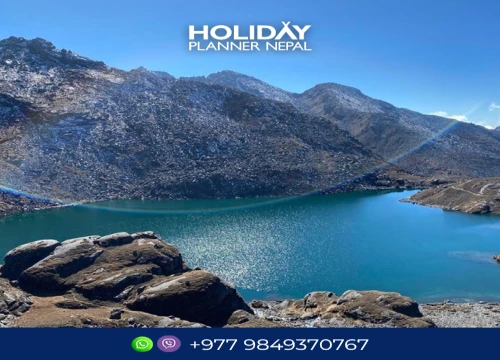
For trekkers seeking a high-altitude adventure, Gosaikunda Lake is a sacred alpine lake located at over 4,300 meters. Surrounded by snow-capped peaks, it is not only a spiritual site for Hindus and Buddhists but also a stunning natural attraction for photography and trekking enthusiasts.

6. Rich Flora and Fauna
Helambu Trekking is famous for its biodiversity. Dense rhododendron, oak, and pine forests cover large parts of the trail, especially during spring when the rhododendrons bloom in vibrant red, pink, and white colors. Wildlife enthusiasts may also spot monkeys, Himalayan birds, and other native animals.

7. Scenic Trails and Rivers
The trek follows scenic trails that pass along rivers, waterfalls, and terraced farmlands. The journey is filled with natural beauty at every step, offering perfect opportunities for nature photography, meditation, and connecting with the serene Himalayan environment.

8. Cultural Handicrafts and Local Markets
Along the trail and in major bazaars like Melamchi, trekkers can shop for local handicrafts, handwoven blankets, traditional jewelry, and souvenirs. Supporting local artisans adds a meaningful cultural and economic dimension to the trek.

 Why Choose Helambu Trekking?

Helambu Trekking is an increasingly popular choice for trekkers seeking a rewarding adventure close to Kathmandu, and for good reason. One of the main attractions of this trek is its rich cultural experience. Trekkers have the opportunity to stay with Tamang and Sherpa families, learning about their traditions, festivals, and daily life. This immersive experience allows visitors to witness local rituals, taste authentic home-cooked meals, and engage with the community in a meaningful way, making the journey more than just a scenic adventure.

The trek is also renowned for its breathtaking landscapes. From terraced farmlands that cascade down hillsides to dense rhododendron and pine forests, crystal-clear rivers, and panoramic views of the Himalayan peaks, every step of the trail offers stunning natural beauty. The changing scenery keeps the trek dynamic, with opportunities to capture memorable photographs and connect with the tranquility of the mountains.

Another reason trekkers favor Helambu is its accessibility and beginner-friendly nature. With moderate trekking routes that stay below 3,300 meters in altitude, the trek is suitable for most travelers, including those who are new to trekking or prefer a less strenuous route. The well-marked trails and manageable elevations make it a perfect introduction to Himalayan trekking, while still offering rewarding experiences for seasoned hikers.

Unlike the more popular trekking regions like Annapurna or Everest, Helambu is less crowded, allowing trekkers to enjoy peaceful trails and a more intimate connection with nature. The quiet villages and serene forests create an atmosphere of calm and reflection, far from the tourist-heavy paths of other regions.

Moreover, choosing Helambu Trekking has a positive impact on the local community. Many villages along the trail rely on tourism for income, and trekking here directly supports local livelihoods through homestays, handicraft purchases, and contributions to schools and community projects. This model of responsible tourism ensures that your adventure helps preserve the culture and environment of the region.

In short, Helambu Trekking offers a perfect blend of cultural immersion, scenic beauty, manageable trekking, and community support. It is an ideal choice for travelers who want a meaningful Himalayan experience without the extreme challenges or crowds of the more famous trekking regions.

How the Helambu Trek Starts and Ends

The Helambu Trek is one of the most accessible and culturally rich trekking routes near Kathmandu, making it a favorite for both beginners and experienced trekkers looking for a shorter adventure. The journey typically begins from either Sundarijal or Melamchi, both easily reachable within 30 to 45 minutes from Kathmandu. Sundarijal, with its proximity to the city, is perfect for early morning departures, offering a serene start along scenic rivers and gentle forest trails that gradually introduce trekkers to the Himalayan foothills. Alternatively, Melamchi Bazaar serves as a gateway to the upper villages, including Tarkeghyang, and provides a slightly different approach, showcasing a variety of landscapes and village life right from the beginning.

From these starting points, the trail meanders through rolling hills and dense forests, gradually climbing toward Mulkharkha, the first major Tamang village on the route. Here, trekkers are welcomed into the local community through homestays, allowing an authentic experience of the Tamang culture, traditions, and daily life. This interaction is a highlight of the Helambu Trek, as it provides insight into the community-based tourism model and an opportunity to enjoy traditional cuisine, warm hospitality, and cultural performances. The journey continues through a series of picturesque villages, rhododendron forests, and terraced fields, offering a perfect blend of natural beauty and cultural immersion.

The trek usually concludes at Melamchi Bazaar, a lively town where trekkers can relax, explore the local market, and purchase unique handicrafts or cultural souvenirs. From here, transportation back to Kathmandu is convenient, typically taking around 2–3 hours. For adventurers seeking to extend their journey, there are several optional side trips. Tharepati Pass offers breathtaking sunrise views over the Himalayan peaks, Gosaikunda Lake provides a high-altitude trekking experience with its sacred turquoise waters, and a side trip to the Langtang Valley introduces a more challenging terrain with stunning mountain vistas.

Overall, the Helambu Trek’s combination of easy accessibility from Kathmandu, culturally rich villages, scenic landscapes, and flexible route options makes it an ideal choice for short treks as well as extended adventures. Whether you are seeking peaceful forest trails, traditional village life, or spectacular Himalayan views, the trek offers a balanced experience that is both memorable and rewarding.

Outline Helambu Trek Itinerary

Day 01: Arrival in Kathmandu

Day 02: Full day in Kathmandu

Day 03: Drive to Sundarijal and trek to Chisopani 

Day 04: Trek to Khutumsang via Gul Bhanjyang 

Day 05: Trek to Tharepati 

Day 06: Trek to Melamche Gaun 

Day 07: Trek to Tarke Ghyang 

Day 08: Trek to Sermathang 

Day 09: Shermathang to Melamche pul 

Day 10: Drive back to Kathmandu 

Day 11: Final departure

Itinerary
Expand AllCollapse All

Today on arrival at the international airport, you will be picked up by our airport representative and transfer to the hotel. After refreshment in the hotel, your tour guide will come to pick you at the hotel and take you to the half day sightseeing tours to Kathmandu Durbar Square. Later on this evening we will take you to the cultural restaurant for dinner. Stay overnight at the hotel.

    Today you have a full day guided sightseeing tours to the Buddhist and Hindu sights in Kathmandu, probably to Kathmandu Durbar Square, Swyambhunath; combination Hinduism and Buddhism known as monkey temple as there are many holy monkeys living in the north-west part of the temple. Pashupatinath a sacred Hindu temple situated on the bank of the Bagmati River. Then drive to Buddhanath stupa one of the biggest and oldest stupas in the world. Later in the afternoon, there will be a pre-trip meeting with your trekking guide in a hotel. Our office representative will brief you regarding our trek as well as provides you an opportunity to ask any question of an upcoming trip with the guide. And stay overnight in Kathmandu.

      Today after breakfast at the hotel days start with about 1 hrs drive to Sundarijal from where trekking going to begin. The trail starts ascending steeply through the dense forest of oak, pine and rhododendron along with a large water pipe, that supplies water to Kathmandu, until the ridge of Burlang Bhanjyang(2442m) from where you will have magnificent views of Annapurna in the west to Ganesh Himal and Number in the East. Then, you descend again through oak and rhododendron forest, cultivated fields, and meadows to Chisapani. Stay overnight at the tea house.

        Chisapani is such a nice place from where you able to Dorgelakpa and Langtang Himalayan range. After breakfast trek descent about one and half hour, you reach a large Tamang village-Pati bhanjyang from where you again climb to cross a pass of 2470m and then descend to Gul Bhanjyang, another Tamang Village. From here the trail again hikes to a pass of 2620m before descends to Khtumsang. You will have splendid views, stretching from the Annapurna’s and Manaslu in the west to Numbur in the East. Stay overnight at the tea house.

          From Khutumsang, the trail ascends through a forest with superb views across to Numbur, Jugal Himal, and many other snowcapped peaks, before you arrive a ridge from where a short descent brings you to Mangan Kharka at 3285m. Now, the trail gradually gains altitude through pine and rhododendron forest with good views down into the Helambu valley and across to Jugal Himal and Numbur. Finally, reach the Tharepati. Stay overnight at the tea house.

            From Tharepati the trail descends all the way to Melamche Gaun through the dip pine and rhododendron forest with viewing natural waterfall. This is such a nice village in this area which is situated on the lap of High Mountain. Stay overnight at the tea house.

              From Melamchigaon, the trail continues descends to the Melamche Khola. Once across the suspension bridge, the trail begins climbing up the other side of the valley towards Tarkeghyang. It is a long climb to this picturesque village at 2600m., situated on a shelf high above the river. Tarkeghyang is not that largest but still nice village in Helambu valley and the destination for the most trekkers in this region. It is a good place to take a rest. Stay overnight at the tea house.

                From Tarkeghyang, the trail makes a sweep around the wide valley end between Parachin & pretty village of Gangjwal at around 2500m. The trail drops down from the edge of the ridge but then continues at around the same altitude along the side of the ridge crossing a number of streams & waterfalls and & landslide. Finally, reach Sermathang. Stay overnight at the tea house.

                  Today the trail is the big drop to Melamche Pul. After breakfast easy walk approx. for 3 hrs and arrive Kakani from where we will see Jugal Himal, Gauri Shankar, Panch Pokhari and Gosainkunda peaks. Continues walk descending to Melamche crossing Indrawati Bridge through the village for approx. 3 hrs. Stay overnight at the tea house.

                    So after the wonderful time in the mountain, today you will drive back to Kathmandu crossing through several towns. Stay overnight at the hotel in Kathmandu.

                      After the wonderful time in Helambu trek today you will transfer by our official representative to the international airport for your next destination or you can join another adventure with us.

                        Cost Details
                        What's Included
                        • All airport Pick up and drop-off by private vehicle
                        • 03 night twin/double-sharing deluxe accommodation on BB in Kathmandu
                        • Guided sightseeing tours in Kathmandu with all necessary entrance fee and private vehicles.
                        • Kathmandu to Sundarijal and Melamchepul to Kathmandu by local bus (if you want both way private vehicles, they are also available at an additional cost)
                        • Langtang National Park and Shivapuri National Park entrance fee and Trekkers’ Information Management System (TIMS card)
                        • 01 guide, English speaking, licenced insured, registered, salary, food and accommodation paid
                        • 02 guests = 01 porter with their Insurance, Salary, Food, accommodation and equipment paid
                        • twin/double shearing accommodation in the mountain during the trekking
                        • Three meals a day; breakfast, Lunch and dinner, and tea/coffee during the trekking
                        • Safe drinking water
                        What's not Included
                        • Your Nepal Visa fees (should bring small, accurate fees in USD and two passport-size photos)
                        • All the International air fares from and to Kathmandu (no need to pay departure tax for international flight)
                        • Lunch and Dinner  in Kathmandu
                        • Personal  travel and health insurance; Insurance for helicopter evacuation
                        • In case of extra-night accommodation, lunch and dinner in city due to early arrival and late departure, as well as early back/return from mountain/trekking (due to any reason) than the given time period of itinerary
                        • Your Personal expenses, such as laundry, baggage charge, phone calls, battery recharge, bar and beverage bill, boiled or bottle water, hot and cold shower, extra porter etc.
                        • The Tips to the trekking crews and drive
                        • Extra expenses due to flight delays, strikes, weather conditions, or any event out of our control
                        • Anything not included in service includes column 
                        Availability
                        • The trip departs everyday day of the year
                        • The trip and trek are fully customizable we can customize the trip according to the need and necessity of our clients

                        • The trip is available for solo travellers group travelers and private travelers

                        • We organize the trip for a large group and can provide service for a group of 100+ members as well

                        • If the given date are not appropriate for the travellers and trekkers, the trip can be conducted on the customary date provided by our clients

                        • Holiday tours Nepal advises all our clients to book at least 7 days prior so all the arrangements can be done in time, especially sometimes in the mountains where the accommodation are booked prior so prior booking helps a lot

                        Contact us at [email protected] or send us a text at +977-9816710843 or +977-9818178630 we are available 24/7 on WhatsApp, Viber, and WeChat for additional information.

                        Useful Information

                        Permits cost for Helambu trek

                        Nationality

                        Langtang national park permit 

                        TIMS Card

                        Apply for permits now

                        Indian citizens

                        Rs 2000

                        Rs 2000

                        Apply for permits

                        Foreign citizens

                        Rs 3000

                        Rs 3000

                        Apply for permits

                        Nepali citizens

                        Rs 100

                        Rs 100

                        Apply for permits

                        • Guide is compulsory from the starting point of the trek which is Syabrubeshi
                        • TIMS card must be made by a travel agency and is compulsory.
                        • Children’s below 8 years don’t require permits.

                        Where to get the permits for Helambu trek?

                        Langtang national park permit can be obtained at Kathmandu and Dhunche. Tims card is issued by a registered trekking agency of Nepal whose tax till date is clear.

                        Note: Office hours are officially 10 am to 5 pm, with a lunch closure usually between 1 pm and 2 pm.

                        Where can solo trekkers get TIMS card?

                        Trekkers who are traveling solo can get their TIMS card can reach out to the Tourist Service Centre located in Kathmandu. The office is 15-minute away from Thamel, and is located at Pradarshani Marg (Street).

                        Note: Trekkers going solo, can visit the Tourist Service Centre as you should be able to purchase not only your TIMS card but also all other necessary trekking permits.

                        Accommodation and Meals

                        During the Helambu Trek, accommodation is a mix of homestays and tea houses, offering trekkers an authentic and comfortable experience. In villages like Tarkeghyang, Mulkharkha, and Sermathang, homestays provide a unique opportunity to live with local Tamang and Sherpa families. These homestays feature cozy rooms with traditional wooden interiors, warm bedding, and shared bathrooms, allowing trekkers to experience the local lifestyle firsthand. For those passing through Chisapani, Kutumsang, and Melamchi Bazaar, tea houses offer simple yet comfortable lodging, ideal for rest and relaxation after a day of trekking.

                        Meals along the Helambu Trek are hearty, nutritious, and reflect the local culinary traditions. The staple Dal Bhat—rice with lentil soup—is served in most homes and tea houses, providing the energy needed for trekking. Trekkers can also enjoy Tibetan specialties such as noodles and momo (dumplings), along with seasonal vegetables, fresh dairy products, and locally sourced honey. Breakfast typically includes options like porridge, eggs, bread, and tea, ensuring a warm start to the day. Overall, the accommodation and meals along the Helambu Trek not only offer comfort and nourishment but also allow trekkers to connect deeply with the local culture and traditions.

                        Best Time to Trek

                        • Spring (March–May): Blooming flowers, comfortable temperatures

                        • Autumn (September–November): Clear mountain views, dry weather

                        • Winter (December–February): Cold but fewer trekkers

                        • Monsoon (June–August): Slippery trails and limited visibility

                        Tips for trekkers who are trekking in the Himalayas

                        • Build stamina, practice hiking and do some hikes that involves altitude to know how your body would react in high altitude.

                        • Let the loved ones know that you’re traveling to your family or loved ones and let them know about the agency that you’re traveling with.
                        • Stay connected, share your itinerary, respect local customs and be honest with the guide and let them know if you’re not feeling well
                        • Stay hydrated and nourished in the mountains and remember food is fuel if you stop consuming food remember your going to fall sick or lose energy so don’t stop eating.
                        • Be patient stay positive and trust your instincts and remember in altitude sometimes you feel angry and can have secondary thoughts.
                        • Check the weather forecast or ask the guide about the weather and what to wear.
                        • Respect local traditions, leave no trace, use eco friendly products and keep the trails clean.
                        • Keep the money, document and important documents safe
                        • Keep the power bank, cameras and electronics safe and at night try to cover the electronics with clothes so they stay warm and don’t drain the battery.

                        Tips for female travelers during periods in the mountains

                        • Know your cycle and pack accordingly sanitary pads, period underwear’s, menstrual cups and tampons.

                        • Pack sanitary pads in case sometimes the dates can be up and down and even someone might need in trek in case you don’t use it.

                        • Bring pain relivers like ibuprofen, heat patches, to ease cramps stay hydrated and eat good nutrition food.

                        • Wear comfortable and food layered clothing’s rest when needed and mind your mood.

                        Equipment and Gear List for Helambu trail

                        GeneralGeneral

                        • Four-season (-20 degree) sleeping bag (We provide rental sleeping bags available for an additional USD 35)
                        • Puffy down jacket (We provide rental jackets for an additional USD 35)
                        • Daypack (25-30 liters recommended) with rain cover

                        CatUpper Body

                        • Sun hat or cap (We'll provide you with a trekking cap.)
                        • Warm woolen hat
                        • Scarf/Neck Buff (highly recommended to get saved from wind and cold)
                        • Headlamp or mobile torch light for nighttime
                        • Polarized sunglasses

                        TorsoTorso

                        • Technical fabric base layer thermals are light for warmer months, heavy for colder months
                        • Technical fabric t-shirts and sleeve sweaters or high-necks
                        • Waterproof rain jacket
                        • Windproof jacket for the walk as it gets windy
                        • Fleece jacket or down jacket

                        LowerLower Body

                        • Thermals inner
                        • Hiking pants at least 3
                        • Comfortable pants for teahouses
                        • Waterproof, windproof shell
                        • Hiking shorts

                        glovesHands

                        • Woolen gloves for the tea house
                        • Hard-shell windproof outer gloves for the walk

                        feetFeet

                        • Marino Wool or comfortable, warm socks
                        • Hiking socks
                        • Liner socks
                        • Trekking/hiking boots (waterproof recommended)
                        • Crampons (For passes)
                        • Casual shoes or sandals that are comfortable for the time in the tea house
                        • Gaiters (lightweight for rain and snow)

                        undergarmentUndergarments and Inner Wears

                        • Technical fabric/quick drying (can be washed during the trek)
                        • Sports bras (women)
                        • Sleeping clothes as per the comfortability

                        FirstaidFirst Aid Kits and Medications

                        • Sunscreen SPF- 50+
                        • Lip balm or Vaseline
                        • ointment cream
                        • Cough Syrup and strepsils (recommended for Khumbu Cough)
                        • Creams and medicines (for any allergies or diseases)

                        Note: Our guides carry medications, oxygen cans, and first aid kits during the trip. However, personal kits and medications are recommended.

                        Optional Other Essentials

                        • Passport
                        • Extra copies of passport-sized photos
                        • Reusable water bottle
                        • Toilet paper, small soap, and shampoo
                        • Water purification tablets or UV water purifier (if you plan to treat water)
                        • Water bladder for the day bag
                        • Small towel for personal use
                        • Pillowcase in case of allergies to new pillows
                        • High-protein snacks (such as mountain bars or nuts)
                        • Waterproof/dry bags for carrying essential documents, stuff, frequently used items, and money
                        • Power bank or extra batteries
                        • Cameras and mobile phone
                        • Cards/book
                        • Pee bottle/ pee funnel for women
                        • Trekking poles
                        • Whistle in case your voice is not loud enough to stop or start
                        • Thermos for hot water during the nighttime
                        • We give you a free duffel bag, trekking cap, maps, and t-shirt during your pre-trip meeting in Kathmandu. The duffel bag will be used to pack your trekking supplies.
                        • For every two participants, we assign one porter. The porter will carry the duffel bag, which should weigh around 10 kg/22 lbs., throughout the walk.
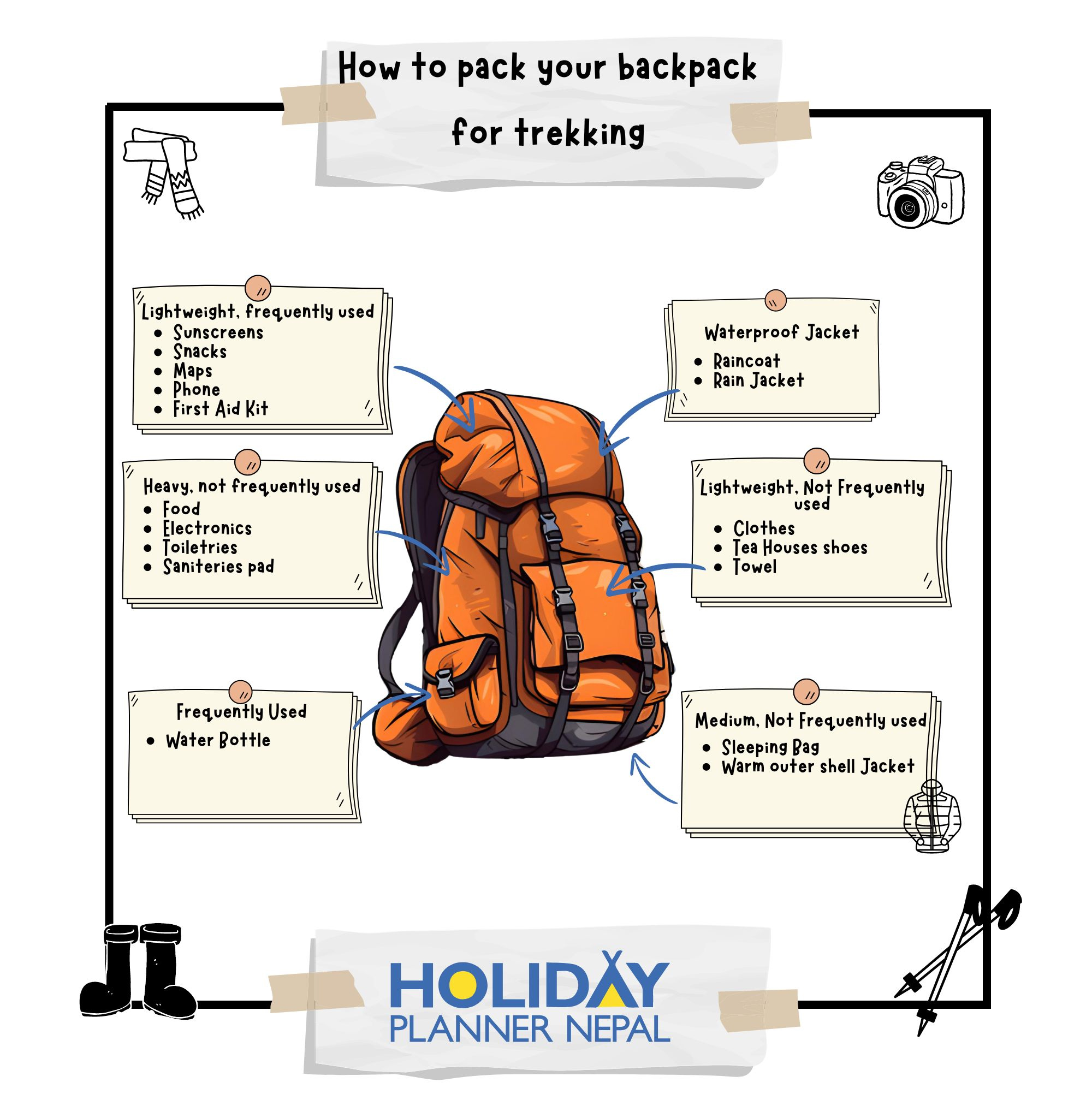
                        • Daypack bag for daily used stuff like cash, documents, papers, a water bottle or bladder, a camera, toiletries, sunscreen, a notebook, clothing, etc. (with a waterproof cover).
                        • You can store your luggage (on-trekking items) at the hotel in Kathmandu, and we can assist and help.
                        • Total luggage for the Kathmandu-Lukla flight is (15 kg/33 lbs.), including duffel (10 Kg/22 lbs.) and backpack (5 kg/11 lbs.)
                        • A down jacket with a hood(cap) to be warm in altitudes above 3,000m.
                        • We can provide a down jacket for USD 35. In case of loss or damage, you need to pay back the cost of USD 200 per item.
                        • We can provide a sleeping bag for USD 35. In case of loss or damage, USD 200 per item must be paid.

                        Essential Bagpack for Helambu Trekking

                        Note: Supplies and gear can be rented or purchased in Kathmandu. Once you are in Nepal, you can buy supplies and gear for hiking if you have spare time. Holiday Planner Nepal representatives will assist you in purchasing the equipment. Thamel a tourist hub, offers a wide range of trekking equipment at affordable prices. Don't wear short clothes inside the monasteries and religious places.

                        Recommended training for Helambu Trekking

                        Training table for the Trek
                         Training periodFocus areasCardio (30min-1hr) per dayStrength (20 min) per dayHike (1-2 day per week)Flexibility and recovery (daily)
                        Week 1--2 Basic

                        Walk, jog, biking

                        Squats, lunges, step ups, planks

                        Shot hike

                        Stretch and yoga

                        3-4Stamina buildingHike in same pace, stair climbingSquats, deadlifts, essential exercisesLong hikes with high altitudeFoam rolling, movement trainings
                        5-6Strength and staminaFast paced hikes, stair climbing’sSplit squats, weight lunges, core stable work8-10 hours hikeYoga, deep stretching, breathing
                        7-8Final preparationEndurance trainingStrength training, bodyweight exerciseTrek for 2-3 days continuouslyBreathing and stretching practices

                         Note:These Trainings are not mandatory, but if you want an optimal result for the hike or trek, your body must be tuned to the rigorous walks you’ll be taking on the trail. We recommend you follow the table to avoid the risk of injury and build the capacity to complete the trek in perfect condition.

                        Additional training tips for Helambu trek

                        • Train with a backpack and put some weight on the backpack.
                        • Try to finish 3 liters of water per day and have a good diet
                        • Use the poles during the training for forming habits
                        • Get engaged in cardiovascular trainings
                        • Don’t forget breathing and stretching exercises
                        • Hike once a week and try to go for long hikes
                        • Rest properly before and after the trek
                        • Wear the same shoes that are going to be used during the trek.

                        Conclusion

                        The Helambu Trekking Nepal experience is more than just a trek—it’s a journey into the heart of the Helambu culture and traditional Himalayan life. From the lush forests of rhododendron and oak to the panoramic Himalayan views of Ganesh Himal and Langtang Lirung, every step along the Helambu Great Trail offers a perfect blend of nature, adventure, and cultural immersion.

                        Explore peaceful Tamang and Sherpa villages, interact with local families, and enjoy authentic homestay experiences that highlight centuries-old traditions. The trek’s moderate difficulty, combined with scenic landscapes, makes it ideal for families, beginners, and seasoned trekkers who want an off-the-beaten-path Nepal trekking adventure.

                        By choosing this trek, you also contribute to community-based tourism in Helambu, supporting local schools, homestays, and handicraft initiatives while preserving the cultural heritage of the region.

                        Embark on the Helambu Trekking Adventure Today!

                        • Discover the hidden gems of Helambu villages and make your Nepal trekking dream come true – Enquire Today!

                        Helambu Trekking - 11 Days FAQs

                        • The Helambu Trek is a short and scenic trekking route near Kathmandu Valley, known for Sherpa–Tamang culture, peaceful villages, forest trails, Buddhist monasteries, and stunning views of the Langtang and Jugal Himal ranges. It is one of the easiest and most accessible treks in Nepal.

                        • It is a moderate trek, suitable for:

                          • Beginners

                          • Families

                          • Senior trekkers

                          • Trekkers looking for a short Himalayan experience close to Kathmandu

                          Daily walking is 4–6 hours.

                        • The standard Helambu Trek itinerary is 11 days, including travel, trekking days, and exploration of cultural villages.

                        • Most itineraries follow this route:

                          • Start: Sundarijal or Melamchi Pul Bazaar

                          • End: Melamchi / Timbu
                            Both places are about 1.5–3 hours drive from Kathmandu.

                        • The highest point is around 3,650 meters (Tharepati).
                          Altitude sickness risk is low compared to high-altitude treks.

                        • Yes, you need:

                          • Shivapuri–Nagarjun National Park Permit (if starting from Sundarijal)

                          • TIMS Card (Trekkers’ Information Management System)

                          Your trekking agency will arrange them.

                        • Best time to trek:

                          • Spring (March–May)

                          • Autumn (September–November)

                          Winter is cold but clear.
                          Monsoon offers lush scenery but with slippery trails.

                        • The entire route has teahouses and lodges offering:

                          • Simple twin-sharing rooms

                          • Local Nepali meals

                          • Basic facilities
                            Some villages offer homestay options for cultural experience.

                        • Available meals include:

                          • Dal Bhat

                          • Soups, noodles, fried rice

                          • Pancakes, omelets

                          • Tibetan bread
                            Food is simple, fresh, and prepared in local teahouses.

                        • Yes! Helambu is one of Nepal’s best beginner-friendly treks, with comfortable altitudes, well-established trails, and short walking days.

                        • Helambu is home to Hyolmo Sherpa and Tamang communities, known for:

                          • Buddhist monasteries

                          • Traditional villages

                          • Prayer flags and mani walls

                          • Warm hospitality and local lifestyle

                          Cultural experience is a major highlight.

                        • Yes. You can see:

                          • Langtang Lirung

                          • Ganesh Himal

                          • Dorje Lakpa

                          • Jugal Himal range

                          Views from Tharepati and Melamchi Gaon are especially beautiful.

                        • Most villages have mobile network access and teahouses may provide WiFi for a small fee. Higher areas may have limited signal.

                        • Essential items include:

                          • Warm layers

                          • Good trekking shoes

                          • Rain jacket

                          • Reusable water bottle

                          • Sunscreen and hat

                          • Power bank

                          • Light snacks
                            Your guide will give you a complete packing checklist.

                        • Yes. It is considered one of Nepal’s safest and most beginner-friendly treks, with easy access from Kathmandu and well-developed villages.

                        • Yes! Popular combinations include:

                          • Helambu + Gosaikunda Trek

                          • Helambu + Langtang Valley

                          • Langtang–Gosaikunda–Helambu Circuit (12–15 days)

                        Similar Holidays
                        We Acceptcards